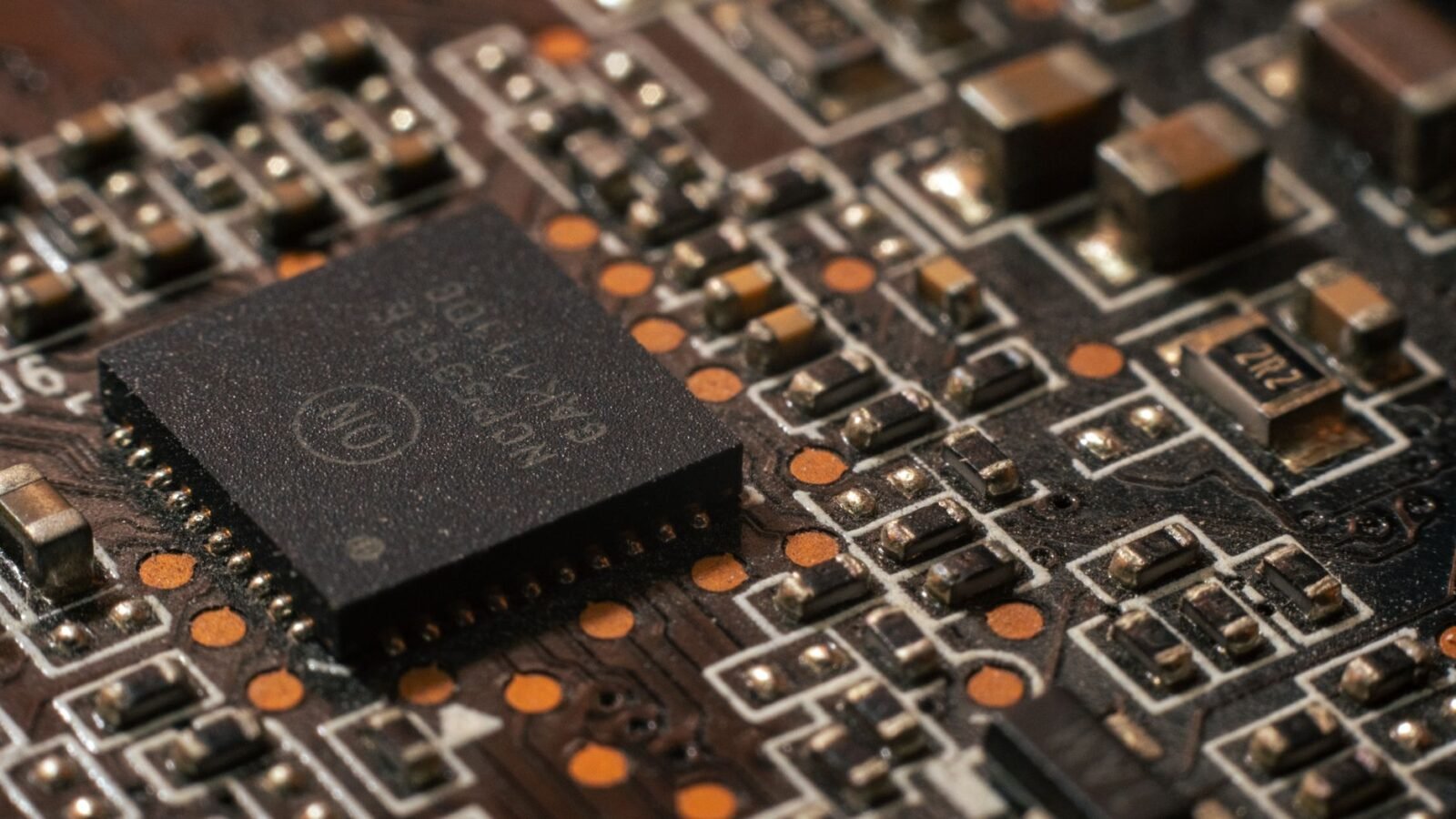
Investors are hunting for the next Nvidia of AI because they want to capture exponential growth before a company reaches a multi-trillion-dollar valuation. While Nvidia currently dominates the hardware market, finding the next pioneer offers the chance for massive, early-stage returns as artificial intelligence expands into new industries.
However, the search is not just about finding another chipmaker. Instead, it is about identifying companies that provide indispensable infrastructure or software for the next wave of technological adoption. This guide will help you understand where the market is moving and how to spot these hidden gems.
Why the Hunt for the Next Nvidia of AI Is Heating Up
Tech giants and venture capitalists are pouring billions of dollars into artificial intelligence. Consequently, the demand for specialized hardware and software has reached unprecedented levels. Because Nvidia already commands a massive share of the graphics processing unit (GPU) market, its stock price has surged dramatically.
As a result, retail and institutional investors feel they may have missed the initial surge. They are now looking for younger, nimbler companies that can replicate this success. These investors realize that the AI revolution is still in its infancy, meaning that other players will inevitably rise to prominence.
Furthermore, the technology landscape is shifting rapidly. While hardware was the focus of the first phase, the next phase will likely highlight software, custom silicon, and specialized cloud infrastructure. Therefore, the search for the next Nvidia of AI is widening to include several diverse tech sectors.
The Three Layers of the AI Tech Stack
To find the next market leader, you must first understand how the artificial intelligence ecosystem is structured. The entire industry relies on a three-layer stack, and each layer presents unique opportunities for growth.
1. The Hardware Layer
This layer includes the physical chips, servers, and networking equipment that power complex calculations. While Nvidia dominates this space, competitors are developing custom application-specific integrated circuits (ASICs) to challenge their monopoly. Companies that design highly efficient, specialized chips for mobile devices or edge computing could capture significant market share.
2. The Infrastructure and Cloud Layer
AI models require massive amounts of data and computational power. Therefore, businesses need specialized cloud platforms and data management tools to run their applications. Companies that optimize data storage, improve server cooling, or provide decentralized computing power are highly valuable. This infrastructure is essential because software cannot run without it.
3. The Application and Software Layer
This is where companies build actual tools for businesses and consumers. For example, software that automates medical diagnostics, generates code, or manages customer service belongs in this category. Because software scales quickly with low overhead costs, the winners in this category will enjoy high profit margins.
How to Evaluate Potential AI Leaders
Finding a high-potential stock requires a disciplined approach. You cannot simply buy any company with “AI” in its name, as many businesses are merely riding the hype wave. Instead, use this comparison table to evaluate where a company stands in the ecosystem.
| Metric | Hardware Contenders | Software & Infrastructure Contenders |
|---|---|---|
| Key Advantage | Proprietary chip design and patents | High customer retention and recurring revenue |
| Scalability | Limited by physical manufacturing | Virtually unlimited digital distribution |
| Profit Margins | Moderate to high, capital intensive | Very high, low capital expenditure |
| Main Risk | Supply chain bottlenecks and high R&D costs | Low barriers to entry and rapid competition |
As the table shows, hardware companies face physical limits, whereas software companies can scale almost instantly. Therefore, you must decide which risk profile fits your investment strategy. If you prefer steady cash flow, software might be your best bet, but if you want raw technological dominance, look toward hardware.
What Most Investment Guides Miss
Many mainstream articles suggest that the next Nvidia of AI will be a direct competitor like another major semiconductor firm. However, this view oversimplifies how technology ecosystems evolve. In reality, the next giant might not make chips at all.
For example, during the gold rush, the people who made the most reliable shovels became rich. Nvidia built the shovels for the first phase of the AI boom. Meanwhile, the next phase will belong to the companies that use those shovels to build valuable new digital real estate.
Consequently, you should look for companies with a strong “moat.” A moat is a unique advantage that competitors cannot easily copy. This could be proprietary data, deep integration into enterprise workflows, or exclusive patents.
A Checklist for Smart AI Investing
Before you commit your capital to any technology stock, go through this quick checklist to ensure you are making a sound decision.
- Proprietary Technology: Does the company own unique intellectual property, or are they just wrapping existing AI models in a pretty interface?
- Revenue Growth: Is the business showing actual sales growth, or is their valuation based purely on future promises?
- Customer Lock-in: How difficult is it for a client to switch to a competitor’s product?
- Experienced Leadership: Does the management team have a proven track record of navigating rapid technological shifts?
If a company ticks all four boxes, it deserves a closer look. If it fails even one, you should proceed with caution because the tech sector can be highly volatile.
Frequently Asked Questions
Who is the next Nvidia of AI?
There is no single company that has officially claimed this title yet. However, investors are closely watching firms that specialize in custom chip design, optical interconnect technology, and enterprise AI software platforms.
Can any company beat Nvidia in hardware?
Beating Nvidia in hardware is extremely difficult because of their established CUDA software platform, which developers have used for years. Nevertheless, competitors are finding success by building specialized chips that perform specific AI tasks more efficiently than general GPUs.
Is it too late to invest in AI stocks?
No, it is not too late because the integration of artificial intelligence into everyday business operations is just beginning. While the initial infrastructure phase is well underway, the software and application phases are still in their early stages.
What are the biggest risks of investing in AI?
The main risks include high market valuations, rapid technological obsolescence, and regulatory changes. Additionally, many companies may fail to turn their advanced technology into profitable business models over the long term.
Conclusion
In conclusion, finding the next Nvidia of AI requires looking beyond the obvious hardware manufacturers and analyzing the entire technology stack. By focusing on companies with strong competitive moats, proprietary data, and scalable business models, you can position your portfolio for the next wave of technological growth. Keep your research disciplined, use our checklist, and stay patient as this exciting market continues to unfold.