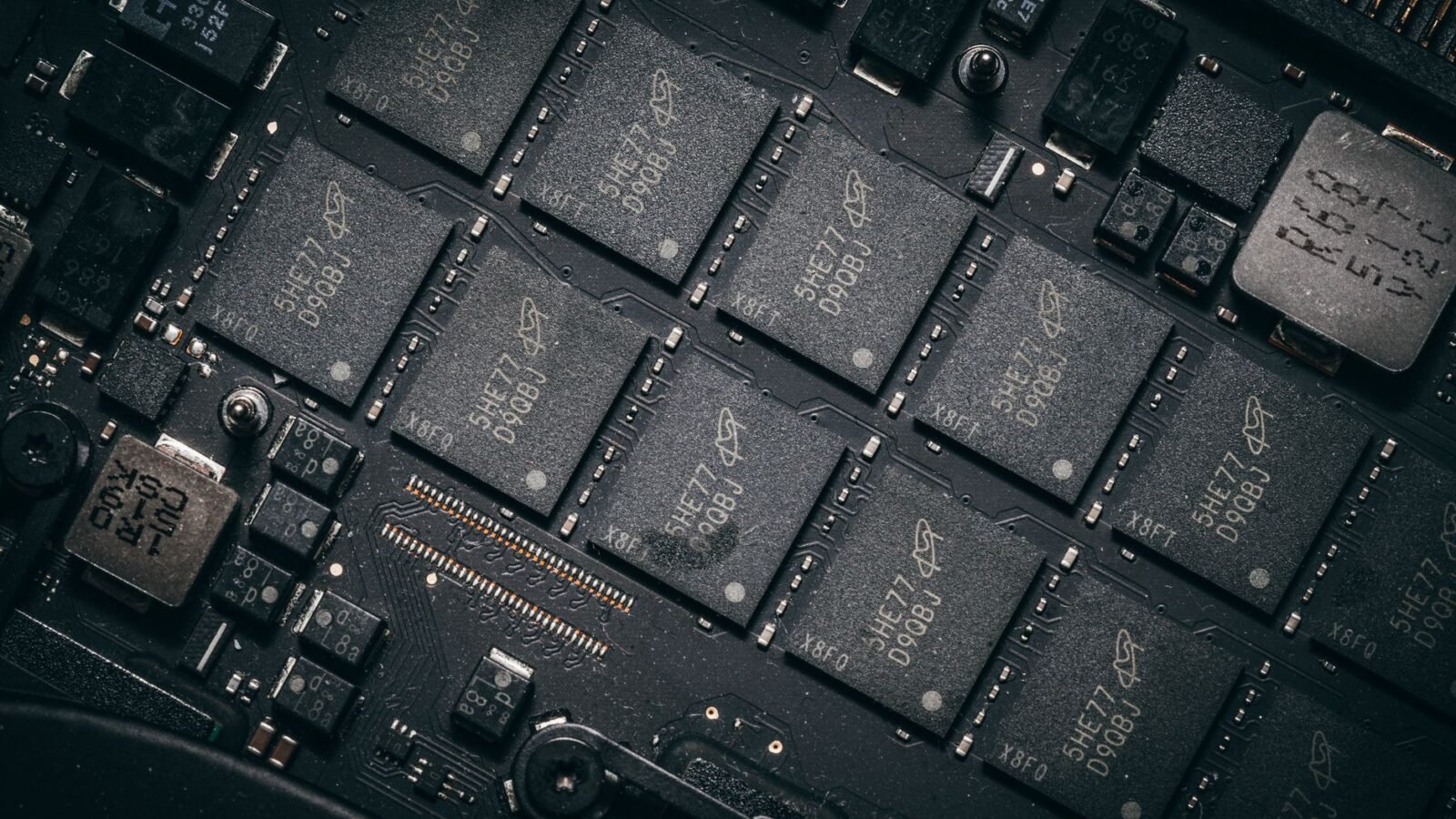
Investors increasingly believe AI infrastructure is the new digital oil because physical hardware, data centers, and power grids have become the most valuable assets in the modern economy. Without these physical foundations, even the most advanced artificial intelligence models cannot function. Therefore, smart capital is moving rapidly from software applications to the physical backbone that powers them.
During the historic gold rushes, the people who sold shovels often made more reliable fortunes than the prospectors themselves. Today, a similar pattern is playing out in the technology sector. While software startups compete fiercely to build the best chatbots, the companies building the physical foundations are seeing guaranteed demand. As a result, global financial institutions are committing hundreds of billions of dollars to secure these essential resources.
Understanding the Core of AI Infrastructure
To understand this investment boom, you must first look at what actually makes artificial intelligence work. Many users interact with generative tools on their phones, but the actual processing happens miles away. Huge facilities house thousands of specialized chips that run constantly. These facilities require massive amounts of electricity and advanced cooling systems to prevent overheating.
Therefore, we can divide the physical stack into three distinct layers. First, we have the silicon chips that process the complex mathematical calculations. Next, we have the physical data centers that house these chips safely. Finally, we have the energy grid that supplies these facilities with constant electricity. Each layer represents a massive opportunity for investors who want stable, long-term returns.
Why Physical Assets Outperform Software Today
Many early tech investors focused solely on software because it was cheap to build and easy to scale. However, the market has shifted because software has low entry barriers. Anyone can build a new application using existing models, which creates intense competition. In contrast, building physical facilities requires massive capital, specialized permits, and years of construction time.
This difficulty creates a natural moat for early investors. If you own a modern data center with a secured connection to the power grid, you possess a highly scarce asset. Tech giants must rent space from you because they cannot build their own facilities fast enough. Consequently, these physical assets provide predictable, recurring revenue that resembles real estate rather than volatile tech stocks.
The Critical Power Bottleneck
The biggest challenge facing the expansion of AI infrastructure is not a lack of chips or capital. Instead, the primary bottleneck is electricity. Modern data centers consume vastly more power than traditional facilities because advanced chips run at extremely high temperatures. As a result, local power grids are struggling to meet the sudden surge in demand.
Because of this power constraint, investors are now funding private energy projects. Tech companies are signing long-term deals with nuclear, solar, and wind power providers to secure dedicated electricity. If you want to invest in this space, you must look closely at how these facilities plan to get their power. The table below compares the main energy sources currently being used.
| Energy Source | Reliability | Environmental Impact | Deployment Speed |
|---|---|---|---|
| Nuclear Power | Very High | Very Low | Slow |
| Natural Gas | High | Medium | Medium |
| Solar & Wind | Variable | Low | Fast |
How to Navigate the AI Infrastructure Market
If you want to participate in this investment wave, you must understand the different entry points. You do not need billions of dollars to start, as the public markets offer several accessible routes. However, you must choose your strategy based on your risk tolerance and investment timeline. Here is a simple checklist to help you evaluate potential opportunities:
- Assess the power strategy: Does the company have a secured, long-term source of electricity?
- Check the geographic location: Is the facility located near major fiber-optic networks and cool climates?
- Analyze customer contracts: Are the tenants high-quality tech giants with long-term leases?
- Evaluate the cooling technology: Does the facility use liquid cooling to handle modern high-density chips?
For conservative investors, real estate investment trusts that specialize in data centers offer a steady path. These trusts pay regular dividends and own the physical land and buildings. Meanwhile, those seeking higher growth might look at the manufacturers of cooling systems and electrical transformers. These component makers are crucial because every new facility requires their products.
What Most Investment Guides Miss
Many generic guides suggest simply buying shares in the largest chip makers. While those companies are highly profitable, they also face intense geopolitical risks and supply chain vulnerabilities. For example, most advanced chips are manufactured in a few specific locations. If a political conflict occurs, the entire supply chain could halt instantly.
Therefore, smart investors are diversifying into localized supply chains. They are backing companies that build electrical equipment, fiber cables, and cooling fans within their own domestic borders. This approach reduces geopolitical risk while still capturing the massive growth of the sector. By focusing on these overlooked components, you can find value that the broader market often ignores.
Frequently Asked Questions
Why is AI infrastructure compared to oil?
Oil was the essential fuel that powered the industrial revolution and created immense wealth for early investors. Similarly, physical hardware and data centers are the essential fuel that powers the digital intelligence revolution today. Without this physical backbone, no modern software can run, making it the most critical resource of our time.
Can software advances reduce the need for physical infrastructure?
While engineers are constantly making software models more efficient, the overall demand for computation is growing exponentially. As businesses integrate intelligence into daily operations, the total volume of data increases. Therefore, even with better software, the world will still require vastly more physical data centers and energy.
What are the main risks of investing in this sector?
The primary risks include rapid technological obsolescence, energy shortages, and high initial construction costs. If a company builds a facility with outdated cooling systems, it may struggle to attract modern tenants. Additionally, rising interest rates can make the massive debt required to build these facilities more expensive to service.
Conclusion
The global race to build robust AI infrastructure is reshaping the financial landscape for decades to come. By focusing on physical assets like energy and data centers, investors can secure reliable returns in a highly competitive market. Ultimately, owning the physical foundations of the digital age is the safest way to benefit from the ongoing technological revolution.